
Passing Timing Often Reveals Basketball IQ Faster Than Scoring
Passing ability is not judged only by accuracy. Coaches evaluate when passes are made because timing reveals awareness, anticipation, and offensive understanding.
Highlight reels, recruiting strategy, and sport-specific editing insights for student-athletes and parents.
Passing ability is not judged only by accuracy. Coaches evaluate when passes are made because timing reveals awareness, anticipation, and offensive understanding.

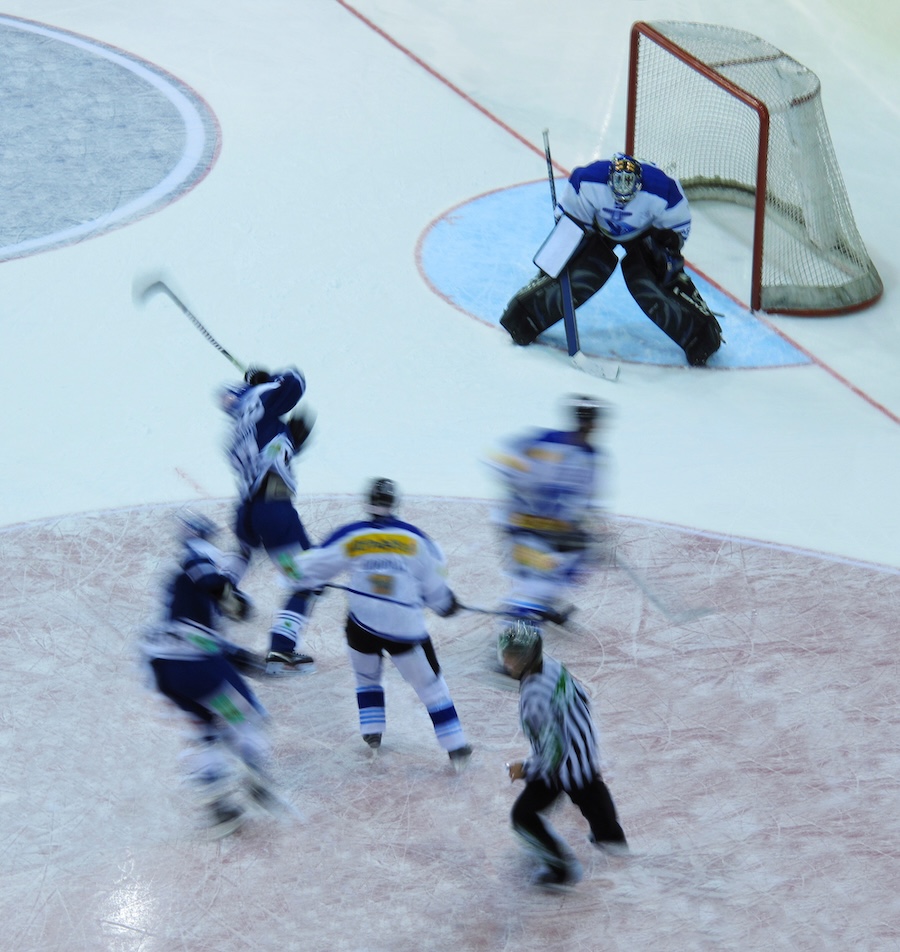
The neutral zone exposes positioning discipline and awareness. Coaches evaluate how players move between zones because it shows anticipation and system understanding. Tags
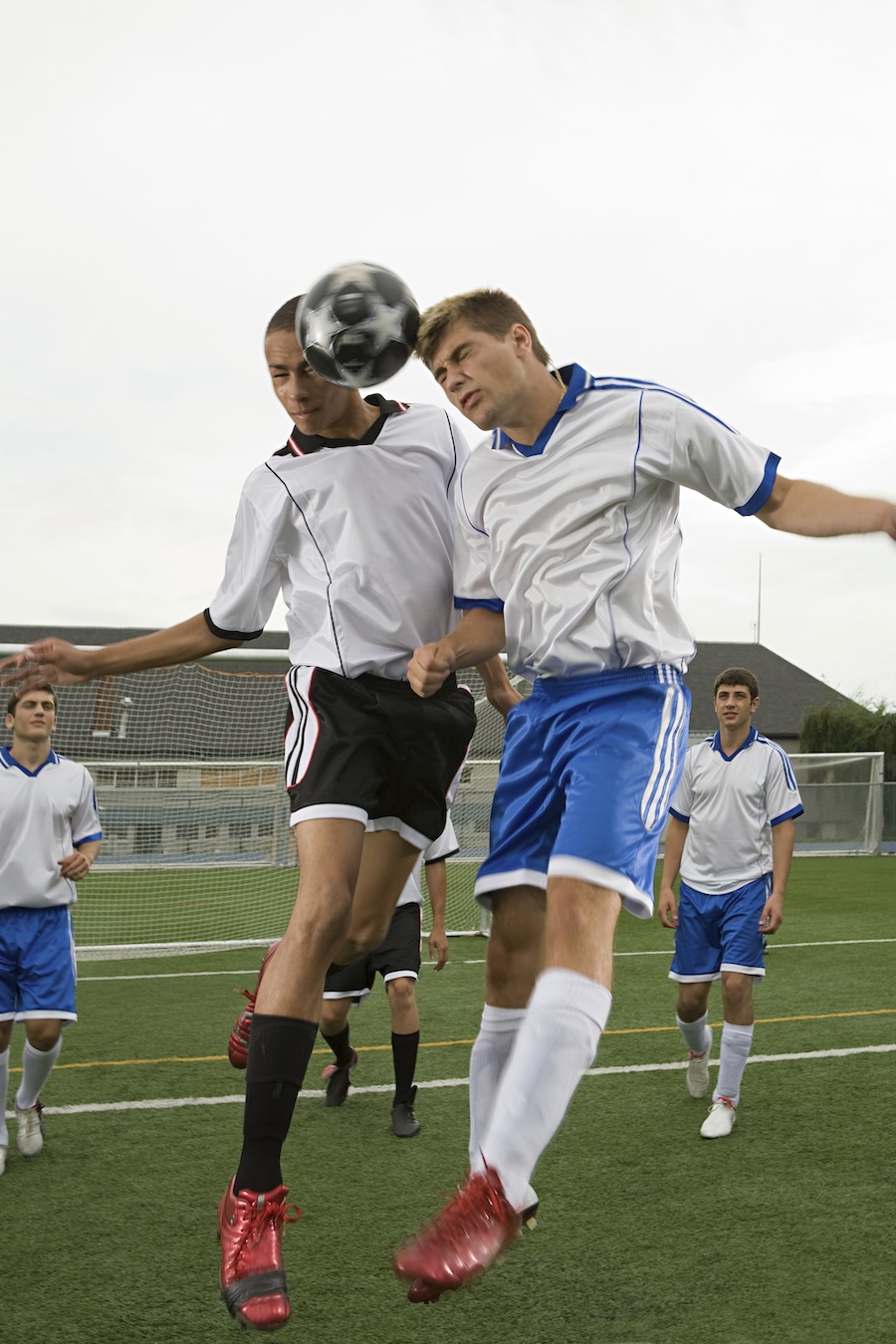
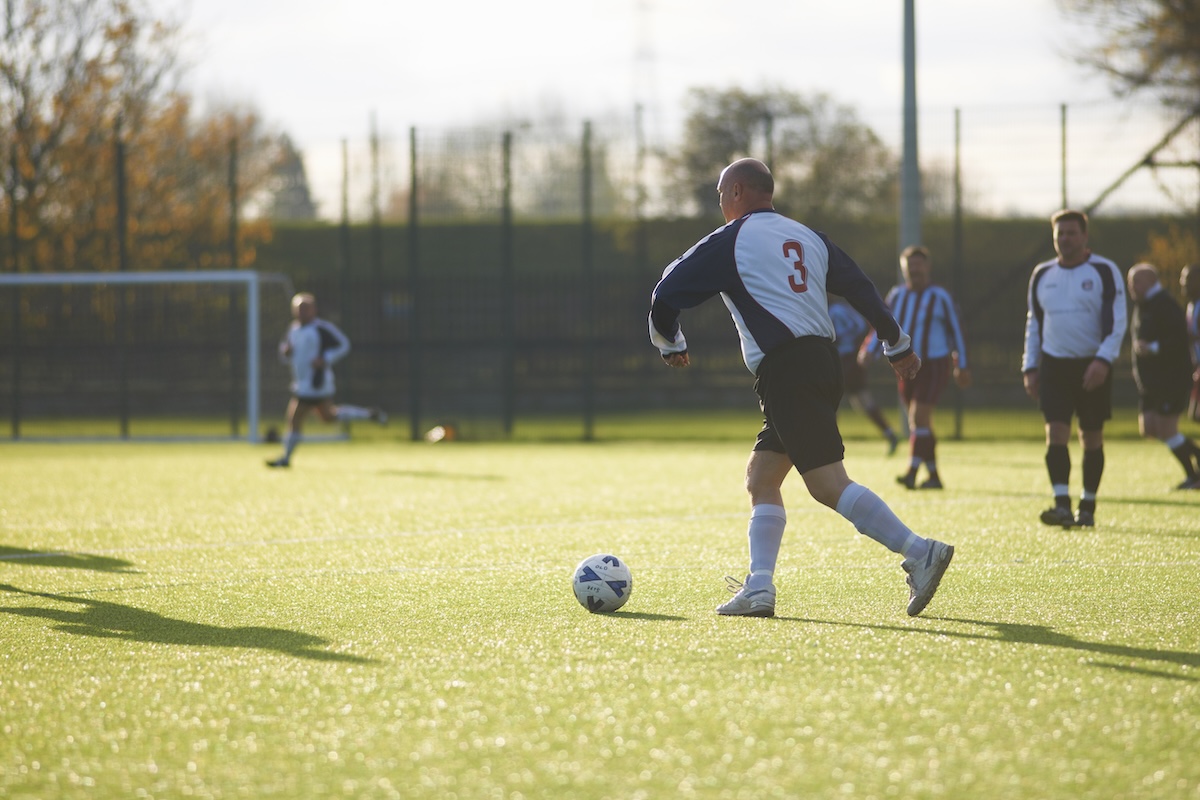
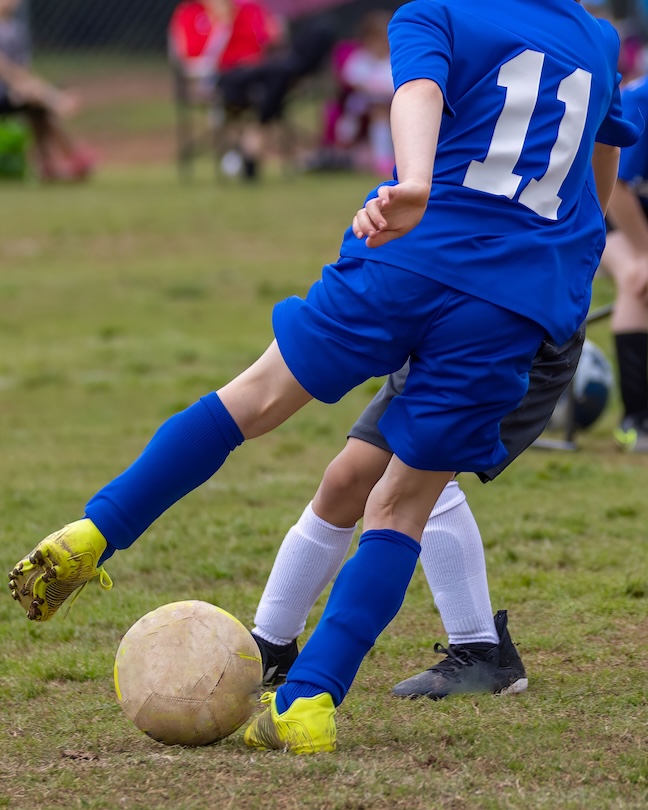
The quality of a first touch is judged by direction, not softness. Coaches evaluate where the ball goes after reception because it shows awareness, pressure management, and readiness for faster levels.
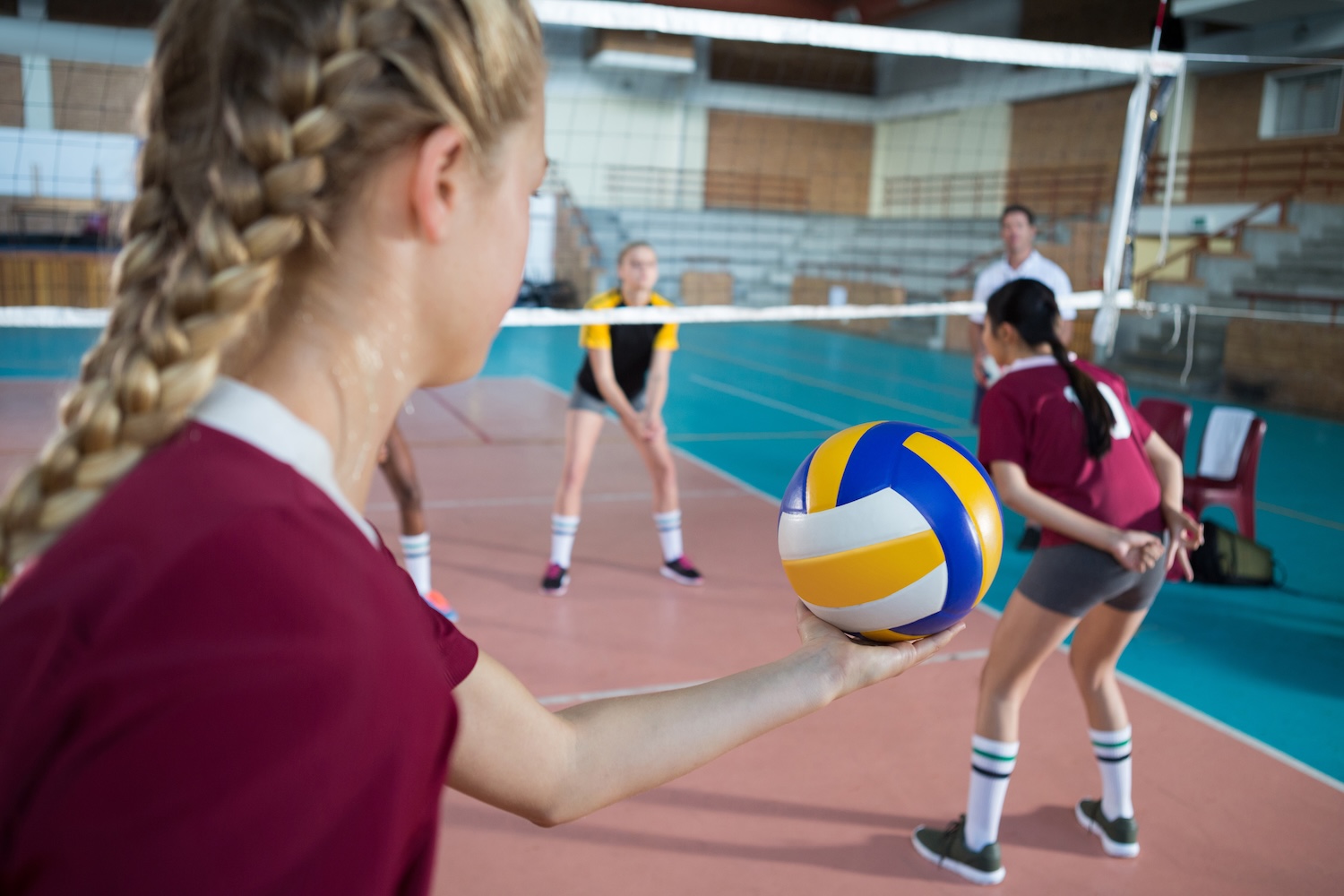
Serving is not evaluated only by power. Coaches analyze where players place the ball because it reveals tactical understanding and system discipline.
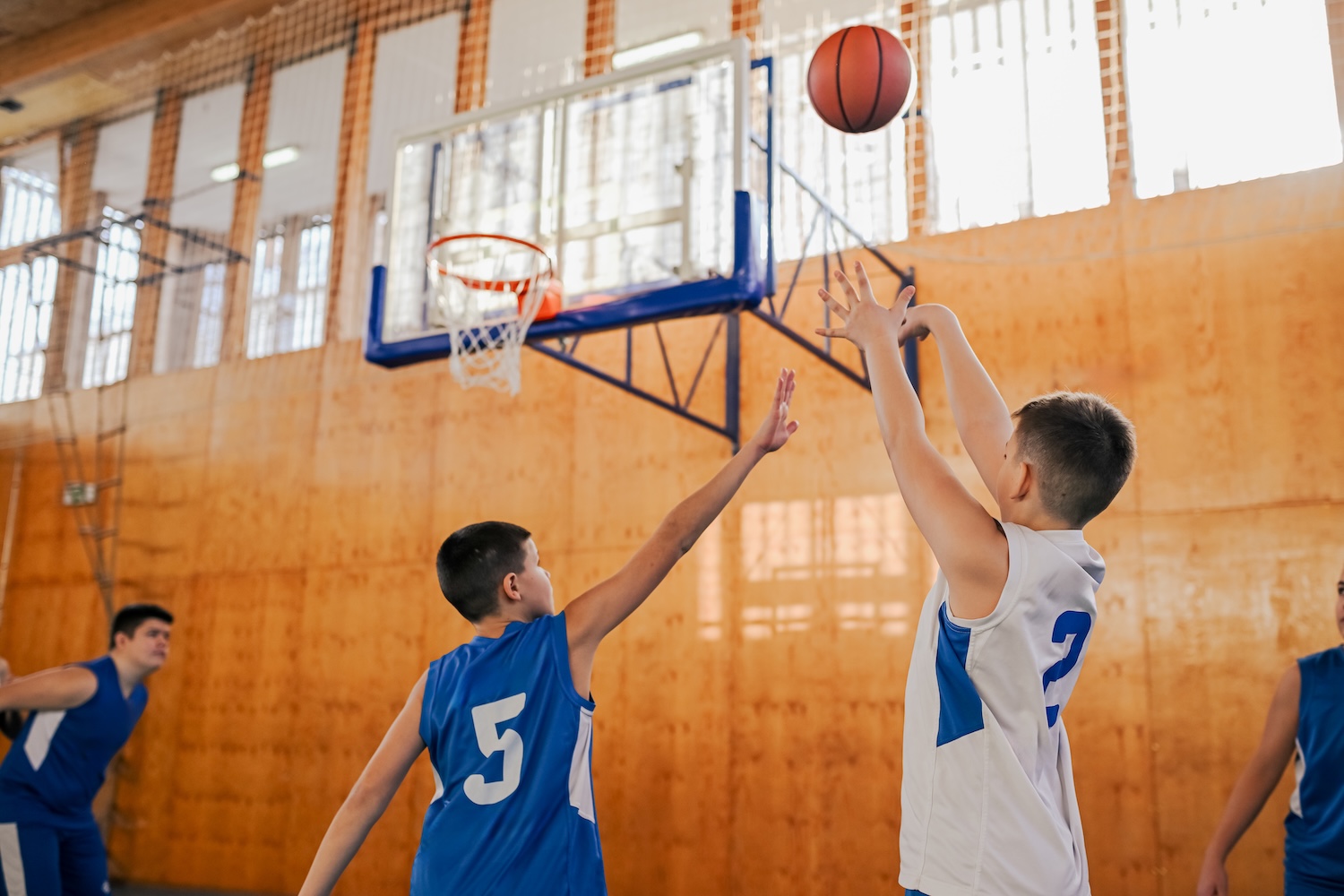
Shot selection is evaluated most closely when pressure increases. Coaches analyze which shots players take late in possessions because it reflects judgment, composure, and system trust.
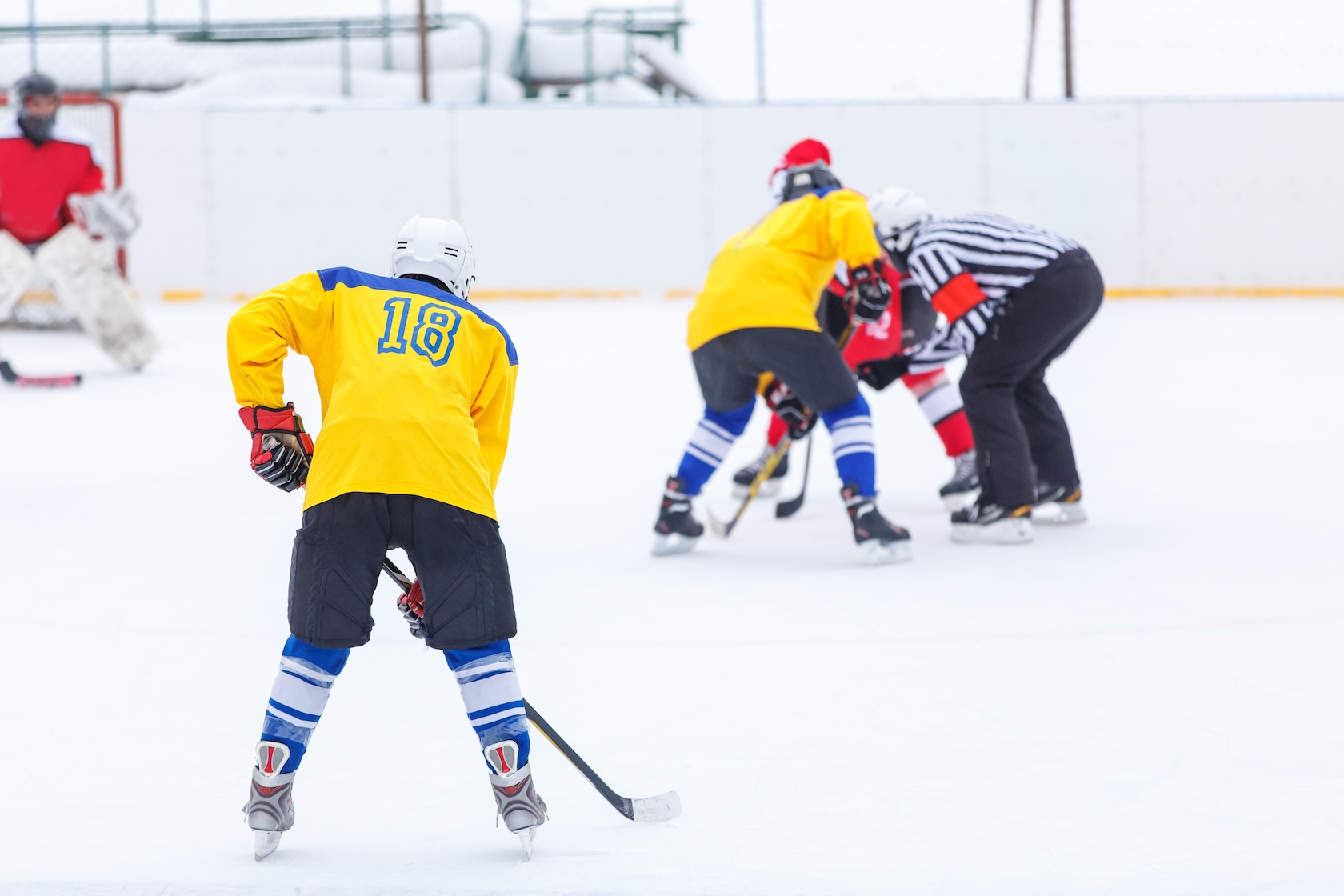
Zone exits are routine, but they reveal decision speed and composure. Coaches analyze how players initiate breakouts because it predicts reliability under pressure.
Support movement is evaluated through angles and timing, not just effort. Coaches analyze how players position themselves around the ball because it predicts composure and system reliability.
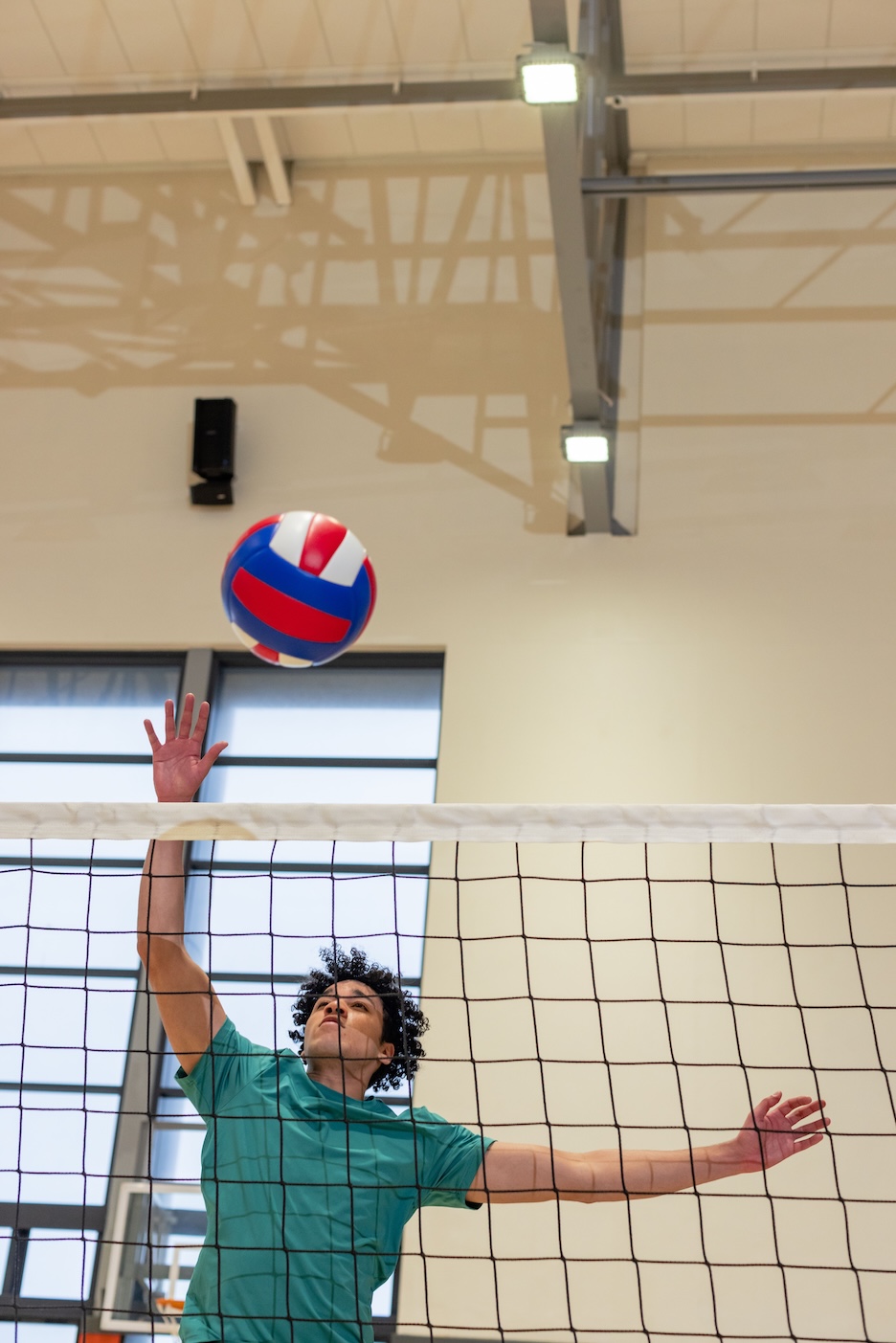
Blocks are evaluated through positioning and timing, not just height. Coaches analyze footwork, hand placement, and recovery because they reflect awareness within defensive systems.
Blocks and steals draw attention, but closeout discipline reveals defensive intelligence. Coaches evaluate how players approach shooters because it predicts reliability within structured systems.
Retrieving pucks under pressure is a frequent evaluation moment. Coaches analyze how players handle these situations because they predict decision speed and adaptability at higher levels.
The moments between plays reveal more than the contact itself. Coaches evaluate how players reposition after each touch because it reflects awareness, readiness, and discipline.
Scanning is not visible in stat sheets, but it is immediately visible on film. Coaches evaluate how often players check their surroundings before receiving because it predicts decision speed and adaptability.
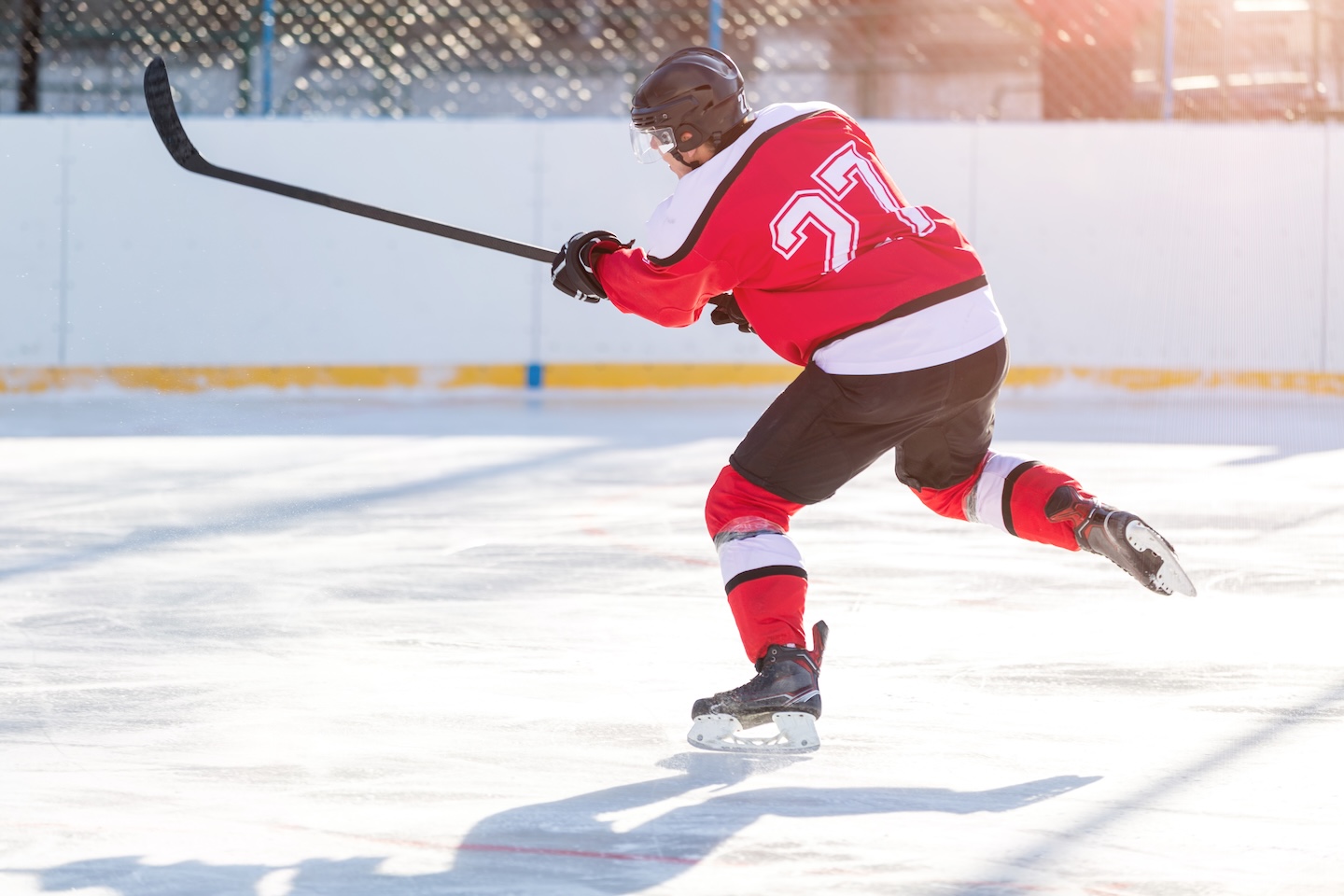
Skating ability is important, but decision speed determines progression. Coaches evaluate how quickly players recognize pressure and move the puck because it predicts success at higher levels.
Turnovers are not just technical mistakes. Coaches evaluate the decisions that lead to them because judgment under pressure translates more reliably than handle alone.
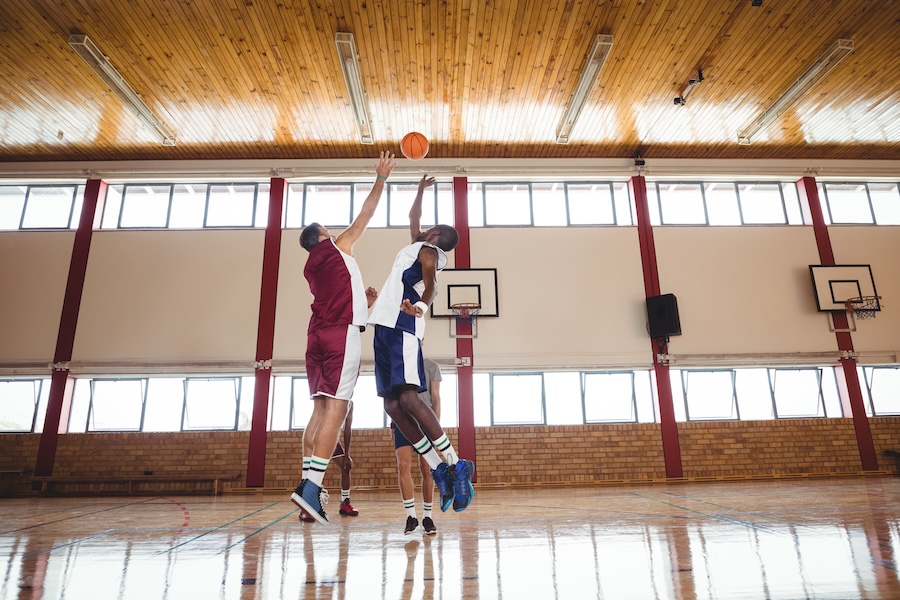
Vertical ability matters, but timing within the offense determines efficiency. Coaches evaluate approach rhythm because it reveals coordination, discipline, and system awareness.
Winning the ball gets attention, but positioning determines whether tackles are even necessary. Coaches evaluate defensive shape and spacing because it predicts control, not chaos.
Rotations are visible, but timing is what coaches evaluate. This piece explains how help defense reads on film and why early, disciplined movement signals reliability to recruiters.
Clean technique helps, but body shape determines what you can see and play next. Coaches evaluate orientation on film because it predicts decision speed and control under pressure.
Offenses are judged by kills, but rallies are decided by first contact. Coaches evaluate serve receive quality because it predicts tempo, options, and consistency across an entire match.
Tempo in volleyball is often described as speed. Coaches see it as control. This article explains how setters regulate rhythm, not rush it — and how that shows up clearly on film.